
Don't let knee pain define your life
Cartilage defects generally do not heal on their own. RECARTA is an autologous chondrocyte therapy that uses the patient’s own cartilage cells.
RECARTA is an autologous chondrocyte therapy manufactured by KELI Therapeutics in a licensed GMP facility in Kaunas, Lithuania. The treatment is performed in two surgical stages: cartilage biopsy, then cell culture and manufacture, followed by implantation.

RECARTA | Autologous Chondrocyte Therapy

Cartilage damage doesn't heal on its own
Articular cartilage is the smooth, protective tissue covering the ends of bones in your joints. Unlike other tissues in your body, cartilage has no blood supply and very limited ability to repair itself.
When cartilage is damaged — whether from injury, sports, or wear — the defect tends to worsen over time, leading to pain, swelling, and reduced mobility. Without proper treatment, this can progress to osteoarthritis.
Your own cells, regenerating your cartilage
RECARTA is autologous chondrocyte therapy (ACT). It uses your own cartilage cells, cultivated and implanted to regenerate healthy tissue.
Autologous chondrocyte therapy
RECARTA uses the patient’s own cartilage cells.
Licensed GMP manufacture
KELI Therapeutics manufactures RECARTA in a licensed GMP facility in Kaunas, Lithuania.
Individual treatment planning
Suitability, surgery, and rehabilitation are planned with the treating orthopaedic surgeon.
Published clinical research
The evidence base draws on published research in autologous chondrocyte implantation, including matrix-associated techniques.
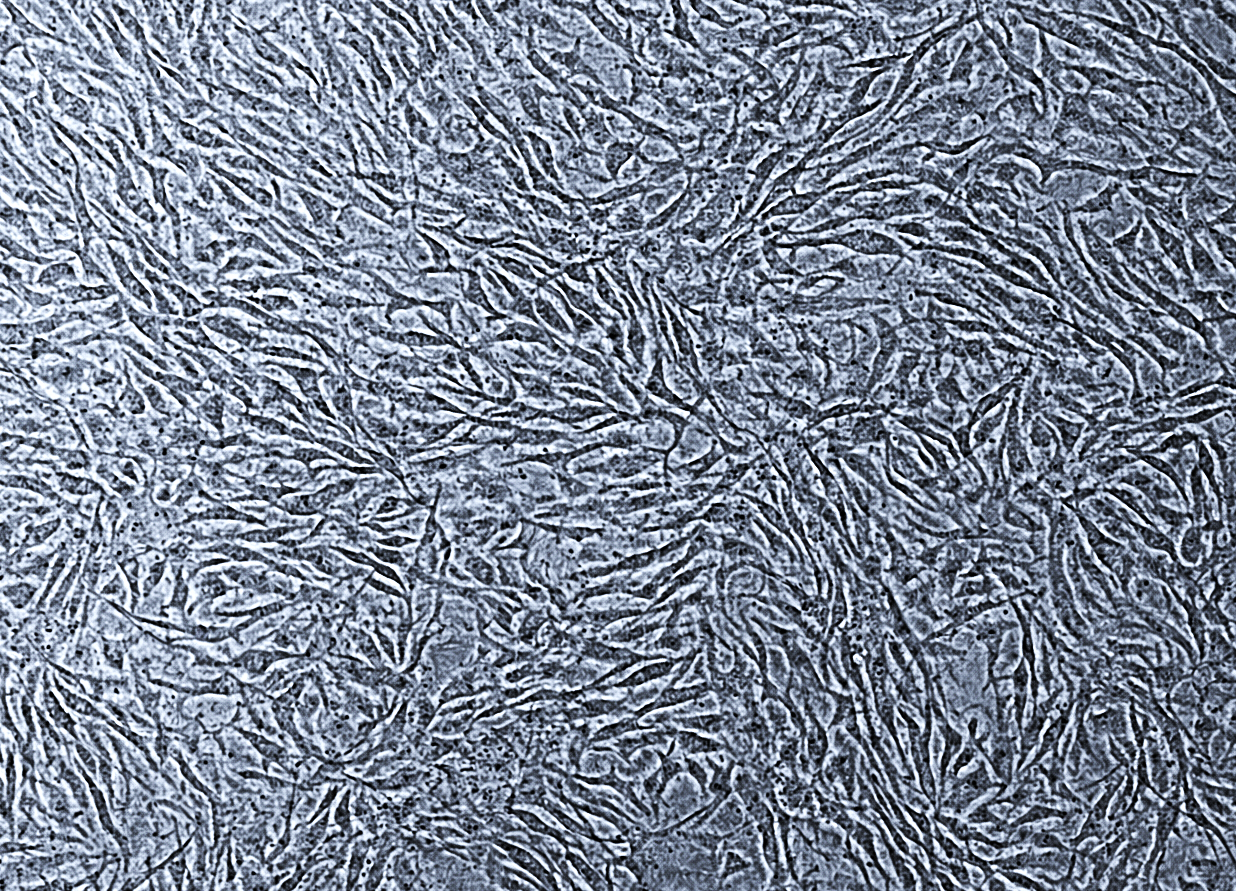
Meet the chondrocytes
What you see in this image are chondrocytes — the specialized cells responsible for producing and maintaining cartilage tissue. These are the very cells that RECARTA uses to regenerate your damaged knee cartilage.
In RECARTA process, a small sample of your own chondrocytes is harvested during a minimally invasive biopsy. They are then carefully multiplied in our licensed facility over approximately four weeks, producing millions of healthy, patient-specific cells.
Once cultivated, these cells are applied to a biocompatible membrane and implanted into the cartilage defect — where they integrate with surrounding tissue and produce new, hyaline-like cartilage that closely resembles the original.
The RECARTA treatment process
The treatment involves two surgical stages, with a controlled laboratory manufacturing phase in between.
Stage 1: Cartilage biopsy
The surgeon collects a small cartilage biopsy to prepare the individual treatment.
First surgical procedureLaboratory phase: cell culture and manufacture
The cartilage cells are isolated from the biopsy sample and cultured under controlled conditions in KELI Therapeutics’ licensed GMP facility in Kaunas, Lithuania.
Licensed GMP facilityStage 2: Implantation
The prepared RECARTA product is implanted into the cartilage defect.
Second surgical procedureRehabilitation
The rehabilitation plan is agreed individually with the treating specialist.
Individual planCould RECARTA be right for you?
Take our quick eligibility assessment to find out if cartilage cell therapy could help with your knee condition. It takes less than 2 minutes and your answers will be reviewed by a medical specialist.
- No referral needed to start
- Free, no-obligation assessment
- Reviewed by our medical team
- Response timing depends on the individual review

Why trust RECARTA?
Clear information about the treatment, its manufacture, and the evidence supporting autologous chondrocyte therapy.
Autologous chondrocyte therapy
RECARTA uses the patient’s own cartilage cells.
Licensed GMP manufacture
KELI Therapeutics manufactures RECARTA in a licensed GMP facility in Kaunas, Lithuania.
Individual treatment planning
Suitability, surgery, and rehabilitation are planned with the treating orthopaedic surgeon.
Published clinical research
The evidence base draws on published research in autologous chondrocyte implantation, including matrix-associated techniques.
Free Patient Guide
Everything you need to know about cartilage cell therapy
Published clinical research
RECARTA is supported by published clinical research in autologous chondrocyte implantation. The evidence base includes matrix-associated techniques used to treat focal knee cartilage defects.
View all clinical evidenceTreatment decisions should be individual, based on the cartilage defect, joint condition, and the patient’s goals.
— discuss with an orthopaedic specialist
Understanding treatment costs
We believe cost should not be a barrier to accessing advanced cartilage therapy. Our team can help you navigate insurance coverage and financing options.
Insurance Coverage
Coverage and insurance options depend on the country and insurer.
Documentation Support
Our patient coordinators assist with insurance pre-authorization, medical necessity documentation, and appeals if needed.
Individual decision
Discuss treatment options with your doctor, taking account of clinical alternatives, rehabilitation, and possible costs.
Frequently asked questions
Get quick answers to the most common questions about RECARTA cartilage cell therapy.
View all FAQsWho is a good candidate for RECARTA?
RECARTA may be considered for people with focal knee cartilage defects. A qualified orthopaedic specialist must assess the cartilage lesion, knee stability, alignment, other joint changes, and rehabilitation plan before determining suitability.
How long does recovery take?
The rehabilitation plan and timing of return to activities are agreed individually with the treating specialist.
Is RECARTA covered by insurance?
Coverage and insurance options depend on the country and insurer.
How effective is the treatment?
Published research on autologous chondrocyte implantation, including matrix-associated techniques, reports clinical and imaging outcomes in selected patient groups. Individual results vary, and an orthopaedic specialist can explain how the evidence relates to your condition.

Partner with KELI Therapeutics
Access detailed clinical protocols, ordering information, and scientific resources for RECARTA membrane-associated chondrocyte implantation therapy.
- Detailed indications and contraindications
- Step-by-step surgical protocol
- Ordering and logistics information
- Clinical training and support
Latest from the blog
What is Autologous Chondrocyte Transplantation?
ACT is a treatment where your own cartilage cells are harvested, grown in a lab, and reimplanted to regenerate damaged knee cartilage.
Why Knee Cartilage Doesn’t Heal on Its Own
Cartilage lacks blood vessels and nerves, which is why it cannot self-repair like other tissues in the body.
ICRS Cartilage Grading Explained
The ICRS grading system classifies cartilage damage from Grade 0 (normal) to Grade IV (complete cartilage loss).
Take the first step toward pain-free movement
Whether you're exploring options or ready to begin, our team is here to help. Start with a free eligibility assessment or speak directly with a patient coordinator.